What foods are good for helping depression?

Depression affects many people, and it can be life changing. Medical treatment and counseling can often help relieve symptoms, but lifestyle remedies, such as a healthful diet, can also boost a person’s well-being.
There is no specific diet to treat depression, but eating more of some foods and less or none of others can help some people manage their symptoms.
Today we will look at some foods and nutrients that may be beneficial and some that people should avoid.
Link between diet and depression
One factor that may contribute to depression is a person’s dietary habits, which will determine the nutrients that they consume.
There was a study done that I read about that said found that the symptoms of people with moderate-to-severe depression improved when they received nutritional counseling sessions and ate a more healthful diet for 12 weeks.
Depressive symptoms, including mood and anxiety, improved enough to achieve remission criteria in more than 32% of the participants.
The researchers concluded that people could help manage or improve their symptoms of depression by addressing their diet.
One factor that may contribute to depression is a person’s dietary habits, which will determine the nutrients that they consume.
There was a study done that I read about that said found that the symptoms of people with moderate-to-severe depression improved when they received nutritional counseling sessions and ate a more healthful diet for 12 weeks.
Depressive symptoms, including mood and anxiety, improved enough to achieve remission criteria in more than 32% of the participants.
The researchers concluded that people could help manage or improve their symptoms of depression by addressing their diet.
Vitamin D may help improve the symptoms of depression.
People obtain most of their vitamin D through sun exposure, but dietary sources are also important.
Foods that can provide vitamin D include
- oily fish
- fortified dairy products
- beef liver
- egg
Supplements are also available for purchase in health food shops and pharmacies.
Vitamin D may help improve the symptoms of depression.
People obtain most of their vitamin D through sun exposure, but dietary sources are also important.
Foods that can provide vitamin D include
- oily fish
- fortified dairy products
- beef liver
- egg
Supplements are also available for purchase in health food shops and pharmacies.
The results of some studies have suggested that omega-3 fatty acids might help with depressive disorders.
Eating omega-3 fatty acids may reduce the risk of mood disorders and brain diseases by enhancing brain function and preserving the myelin sheath that protects nerve cells.
Good sources of omega-3 fatty acids include
- cold-water fish, such as salmon, sardines, tuna, and mackerel
- flaxseed, flaxseed oil, and chia seeds
- walnuts
The results of some studies have suggested that omega-3 fatty acids might help with depressive disorders.
Eating omega-3 fatty acids may reduce the risk of mood disorders and brain diseases by enhancing brain function and preserving the myelin sheath that protects nerve cells.
Good sources of omega-3 fatty acids include
- cold-water fish, such as salmon, sardines, tuna, and mackerel
- flaxseed, flaxseed oil, and chia seeds
- walnuts
Vitamins A, C, and E contain substances called antioxidants.
Antioxidants help remove free radicals, which are the waste products of natural bodily processes that can build up in the body.
If the body cannot eliminate enough free radicals, oxidative stress can develop. A number of health problems can result, which may include anxiety and depression.
Fresh, plant based foods, such as berries, are good sources of antioxidants. A diet that is rich in fresh fruits and vegetables, soy, and other plant products may help reduce the stress-related symptoms of depression.
B Vitamins
Vitamins B-12 and B-9 help protect and maintain the nervous system, including the brain. They may help reduce the risk and symptoms of mood disorders, such as depression.
Sources of vitamin B-12 include:
- eggs
- meat
- poultry
- fish
- oysters
- milk
- some fortified cereals
Foods that contain folate include
- dark leafy vegetables
- fruit and fruit juices
- nuts
- beans
- whole grains
- dairy products
- meat and poultry
- seafood
- eggs
Vitamins A, C, and E contain substances called antioxidants.
Antioxidants help remove free radicals, which are the waste products of natural bodily processes that can build up in the body.
If the body cannot eliminate enough free radicals, oxidative stress can develop. A number of health problems can result, which may include anxiety and depression.
Fresh, plant based foods, such as berries, are good sources of antioxidants. A diet that is rich in fresh fruits and vegetables, soy, and other plant products may help reduce the stress-related symptoms of depression.
B Vitamins
Vitamins B-12 and B-9 help protect and maintain the nervous system, including the brain. They may help reduce the risk and symptoms of mood disorders, such as depression.
Sources of vitamin B-12 include:
- eggs
- meat
- poultry
- fish
- oysters
- milk
- some fortified cereals
Foods that contain folate include
- dark leafy vegetables
- fruit and fruit juices
- nuts
- beans
- whole grains
- dairy products
- meat and poultry
- seafood
- eggs
Zinc helps the body perceive taste, but it also boosts the immune system and may influence depression.
Zinc ispresent in:
- whole grains
- oysters
- beef, chicken, and pork
- beans
- nuts and pumpkin seeds
Zinc helps the body perceive taste, but it also boosts the immune system and may influence depression.
Zinc ispresent in:
- whole grains
- oysters
- beef, chicken, and pork
- beans
- nuts and pumpkin seeds
Protein enables the body to grow and repair, but it may also help people with depression.
The body uses a protein called tryptophan to create serotonin, the “feel good” hormone.
Tryptophan is present in:
- tuna
- turkey
- chickpeas
Serotonin appears to play a role
Protein enables the body to grow and repair, but it may also help people with depression.
The body uses a protein called tryptophan to create serotonin, the “feel good” hormone.
Tryptophan is present in:
- tuna
- turkey
- chickpeas
Serotonin appears to play a role
Foods such as yogurt and kefir may boost the levels of beneficial bacteria in the gut.
Healthy gut microbiota may reduce the symptoms and risk of depression.
Foods such as yogurt and kefir may boost the levels of beneficial bacteria in the gut.
Healthy gut microbiota may reduce the symptoms and risk of depression.
Obesity appears to raise the risk of depression.
This increased risk may be due to the hormonal and immunological changes that occur in people with obesity.
Obesity appears to raise the risk of depression.
This increased risk may be due to the hormonal and immunological changes that occur in people with obesity.
Some foods may aggravate the symptoms of depression.
Some foods may aggravate the symptoms of depression.
Alcohol
There is a clear link
Regularly consuming large amounts of alcohol can lead to further complications, such as accidents, family issues, loss of employment, and ill health.
Even those who limit their alcohol consumption to no more than one drink
There is a clear link
Regularly consuming large amounts of alcohol can lead to further complications, such as accidents, family issues, loss of employment, and ill health.
Even those who limit their alcohol consumption to no more than one drink
Refined foods
Convenience foods, such as fast food and junk food, can be high in calories and low in nutrients.
Processed foods, especially those high in sugar and refined carbs, may contribute to a higher risk of depression. When a person eats refined carbs, the body’s energy levels increase rapidly but then crash. A bar of chocolate may give an instant boost, but a rapid low can follow.
It is best to opt for fresh, nutrient dense, whole foods that provide a steady source of energy over time.
Convenience foods, such as fast food and junk food, can be high in calories and low in nutrients.
Processed foods, especially those high in sugar and refined carbs, may contribute to a higher risk of depression. When a person eats refined carbs, the body’s energy levels increase rapidly but then crash. A bar of chocolate may give an instant boost, but a rapid low can follow.
It is best to opt for fresh, nutrient dense, whole foods that provide a steady source of energy over time.
Processed oils
Refined and saturated fats can trigger inflammation and they may also impair brain function and worsen the symptoms of depression.
Fats to avoid include:
- trans fats, which are present in many processed foods
- fats in red and processed meats
- safflower and corn oil, which are high in omega-6 fatty acids
CaffeineAt least it was
Caffeine is present in:
- coffee
- tea
- chocolate
- sodas
- energy drinks
There is some evidence
In addition, caffeine can affect a person’s ability to sleep.
While caffeine may benefit some people, it is best to:
- consume it only in moderation
- avoid products with a high caffeine content, such as energy drinks
- avoid caffeine after midday
Refined and saturated fats can trigger inflammation and they may also impair brain function and worsen the symptoms of depression.
Fats to avoid include:
- trans fats, which are present in many processed foods
- fats in red and processed meats
- safflower and corn oil, which are high in omega-6 fatty acids
At least it was
Caffeine is present in:
- coffee
- tea
- chocolate
- sodas
- energy drinks
There is some evidence
In addition, caffeine can affect a person’s ability to sleep.
While caffeine may benefit some people, it is best to:
- consume it only in moderation
- avoid products with a high caffeine content, such as energy drinks
- avoid caffeine after midday
Diet may play a role in depression. Following a diet that is low in processed foods and provides plenty of fresh, plant-based foods and healthful fats may help improve symptoms.
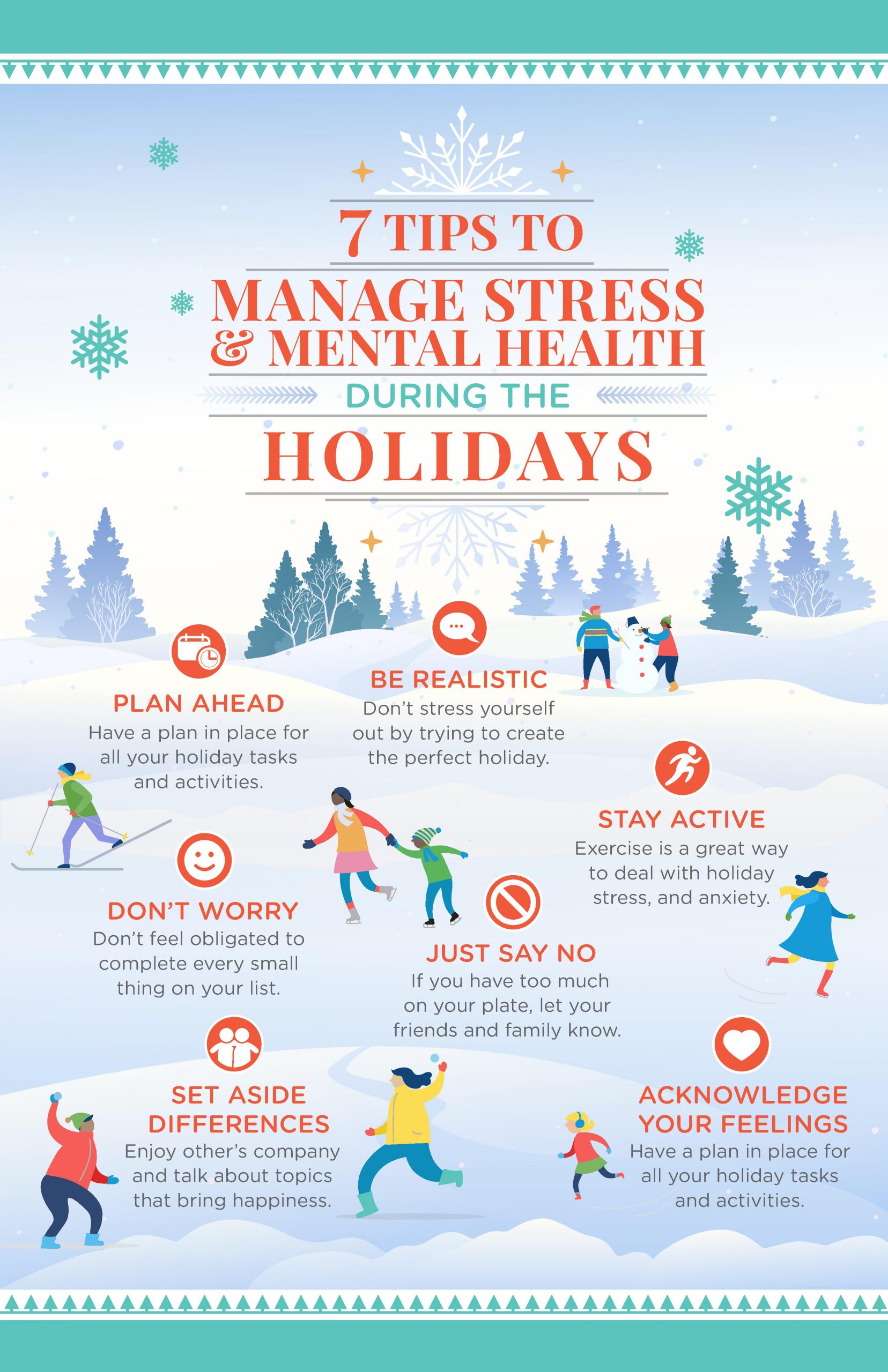
The next few months of winter can be particularly hard on a lot of people. It's cold, not much to do and the hours of daylight per day is still very low. Putting all the chances on your side is the first thing to do to help yourself... because that's where it all starts.
Other tips that may help include:
- getting at least 150 minutes of physical exercise each week
- spending time outdoors
- avoiding the use of alcohol and other substances
- getting 7-8 hours of sleep in every 24 hours
BECAUSE WE CARE...#teambousehouse#ocrealestate
Diet may play a role in depression. Following a diet that is low in processed foods and provides plenty of fresh, plant-based foods and healthful fats may help improve symptoms.
The next few months of winter can be particularly hard on a lot of people. It's cold, not much to do and the hours of daylight per day is still very low. Putting all the chances on your side is the first thing to do to help yourself... because that's where it all starts.
Other tips that may help include:
- getting at least 150 minutes of physical exercise each week
- spending time outdoors
- avoiding the use of alcohol and other substances
- getting 7-8 hours of sleep in every 24 hours