Monday, August 9, 2021

Health Benefits and Important Functions of Iron


9 Health Benefits and Important Functions of Iron


Iron is an essential mineral, but it is also the most common nutrient deficiency in the world today.

Among all minerals, why is this micronutrient so crucial for our health?

In this Blog, we look at some of the proven health benefits and biological functions of iron.


What Is Iron?


First of all, iron is a mineral that plays a key role in metabolism, growth, development and the transportation of oxygen around the body.

The mineral is available in a wide range of foods, and it comes in two forms;

  • Heme iron: found in animal foods such as organ meats and shellfish. Heme iron has an estimated bioavailability of 14-18%, meaning it is difficult for our body to absorb.
  • Non-heme iron: found in plant foods such as lentils and spinach. Non-heme iron has a lower bioavailability of around 5-12%, and this may depend on other nutrients in the diet.

Unfortunately, iron deficiency is prevalent throughout the world.

According to the National Health and Nutrition Examination Surveys (NHANES);

  • Iron deficiency anemia almost doubled within the United States from 4.0% to 7.1% during the period 2003 to 2012.
  • Anemia rapidly rose within specific population groups. For example, there was a substantial increase in anemia within the black female population, rising from 17.5% to 25%.
  • Iron deficiency significantly affected every age, gender, and racial group in the United States, from toddlers to the elderly.

Sadly, this is not unique to iron, and many people have inadequate intakes of other beneficial minerals such as zinc and selenium.

               Health Benefits and Functions

Ensuring sufficient iron intake is important for our health for numerous reasons. Here are some of the benefits and key functions of iron.

1) Iron Helps To Transport Oxygen Around the Body

Iron is present within hemoglobin, which is a protein found within red blood cells.

Firstly, alongside various amino acids, iron is one of the building blocks necessary to produce hemoglobin. Around two-thirds of the body’s iron stores are present within hemoglobin.

As part of its biological roles, hemoglobin collects oxygen from the lungs. This oxygen then becomes bound to the iron within hemoglobin, which creates a compound called oxyhemoglobin.

Oxyhemoglobin travels around the body and transports its oxygen stores to body tissues that require it.

As a result, hemoglobin may start to fall when iron levels are continuously too low. These lower hemoglobin levels can potentially lead to a wide variety of health problems.

Key Point: Iron is essential for producing hemoglobin and transporting oxygen around the body.

2) Important For a Healthy Central Nervous System (CNS)

Iron is a cofactor for numerous enzymes that play a role in the central nervous system.

As a result, iron is an important factor for the cognitive development of children.

On this note, iron deficiency has links to poor cognitive development and behavioral problems in children.

Furthermore, a systematic review found that a higher iron intake has a “modest positive effect” on cognition, motor skills, and coordination in anemic infants.

Key Point: Iron is an important mineral for cognitive development in children.

3) Iron Plays a Role In Energy Metabolism

Enzymes called cytochromes are necessary for cellular energy production, and they require iron to function.

Studies show that a low intake of dietary iron reduces the concentration of cytochromes and in turn, this lowers energy production.

Key Point: Iron has a key involvement in the production of energy.

4) May Alleviate Tiredness/Fatigue Symptoms

Studies consistently show that increasing iron intake appears to improve symptoms of fatigue and tiredness.

For example, a systematic review of intervention trials analyzed the effect of iron supplementation in 1170 iron-deficient patients.

The results found that the higher intake of iron led to reduced self-reported fatigue, which correlated with a “significantly increased serum hemoglobin concentration”.

A further systematic review and meta-analysis concluded that improving blood levels of iron appears to decrease fatigue.

Key Point: Raising iron levels can help reduce symptoms of tiredness and fatigue.

5) Iron Is Important For a Healthy Pregnancy

Iron is widely considered to be one of the most crucial nutrients for a healthy pregnancy.

According to the World Health Organization, “deficiencies in iron and folic acid can potentially negatively impact the health of the mother, her pregnancy, as well as fetal development”.

This warning is not surprising when we consider the impact iron has on a developing baby.

During pregnancy, iron has a significant impact on the development of the baby’s brain and other organs. Therefore, it is a crucial nutrient for the baby’s neurodevelopment.

Key Point: Iron is a vital nutrient during pregnancy, and it has a large influence on fetal development.

6) May Improve Sports Performance

Since iron plays a key role in oxygen transport, the mineral is important for aerobic capacity and endurance.

On this note, some research suggests that higher iron intake may have a beneficial impact on sports performance (for individuals with existing insufficient iron levels).

For example, in a study on 48 female rowers, individuals with impaired iron status had lower endurance than those with sufficient iron levels.

Further studies in athletes with anemia or low iron levels show that increasing iron intake leads to significant improvements in aerobic performance capacity and endurance.

However, it is worth noting that studies which show positive effects of increasing iron levels involve individuals with low iron levels.

In contrast, in athletes with sufficient blood levels of the mineral, increasing iron levels further doesn’t appear to show benefit.

Key Point: Increasing iron intake may improve physical performance in athletes with low blood levels of the mineral.

7) May Protect Cognitive Health In Older Adults

As previously mentioned, iron plays a crucial role in the central nervous system.

There is also some evidence that the mineral may have a positive influence on cognitive health in older adults.

For instance, in a large prospective cohort study featuring 1,744 adults over the age of 71, anemia had a strong association with reduced cognitive function (P = 0.0001). Anemia was also strongly predictive of worsening cognition over the following four years.

Also, anemia is strongly linked with an increased risk of developing dementia. These associations are statistically significant, and anemia has even been classed as an independent risk factor for dementia.

However, a recent systematic review of the evidence on iron and dementia noted that the existing evidence is diverse. The researchers concluded that more research is necessary to fully understand the possible link.

Key Point: Maintaining sufficient iron levels may help to protect cognitive health in older adults.

8) Iron Is An Important Cofactor For Various Enzymes

Both heme and non-heme iron are required cofactors for the activation of various enzymes.

In other words, these compounds require sufficient amounts of iron to perform their biological role optimally.

The compounds that rely on iron as a cofactor are known as ‘iron enzymes,’ and these compounds include;

  • Beta-carotene 15, 15-dioxygenase
  • Glutamate synthase
  • Quercetin 2, 3-dioxygenase
  • Taurine dioxygenase
  • And many more
Key Point: Iron is a necessary cofactor for a wide range of enzymatic reactions.

9) A Sufficient Intake Can Prevent (Or Treat) Anemia


Iron is an essential mineral, and low blood levels of the nutrient can lead to iron deficiency anemia.

Although there are several potential causes of iron deficiency anemia, low dietary intake of iron is the primary cause.

The typical management and treatment of iron deficiency anemia both focus iron-rich foods to increase plasma iron levels.

Key Point: Consuming an adequate amount of iron-rich foods can help to prevent or manage iron deficiency anemia.


How To Get More Iron

First of all, anyone who feels they might not have sufficient iron levels should discuss this with their doctor.

However, in the case of iron deficiency, both supplements and iron-rich food sources can have benefits.

Food

Many foods contain large amounts of iron.

Some of the best options include liver, cuttlefish, oysters, and cocoa/dark chocolate.


Key Point: Focusing on iron-rich foods is the safest way to increase iron levels.

Final Thoughts

Iron plays a variety of key roles in human health, and it is a vital mineral for our body.

On the positive side, it is relatively easy for healthy individuals to get enough dietary iron.

Since both animal and plant foods contain this essential mineral, there are also a wide variety of iron-rich food sources.

Because we care,

#teambousehouse

#ocrealestate


Monday, August 2, 2021

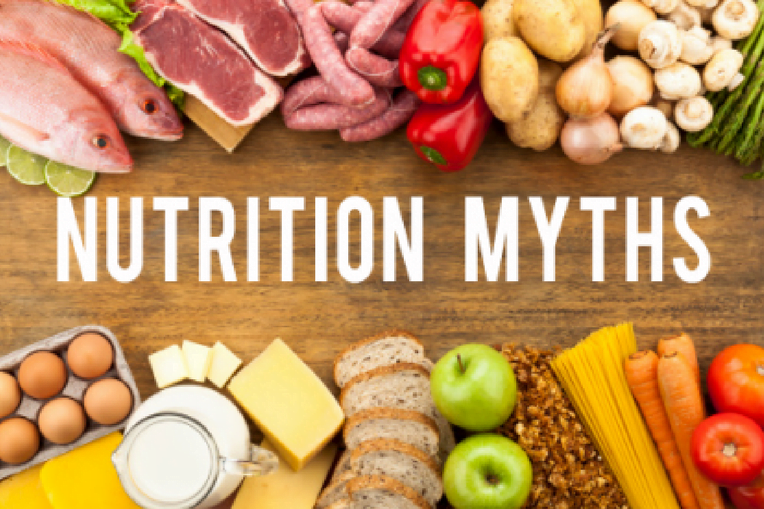
6 Nutrition Myths that are still alive now


6 NUTRITION MYTHS THAT ARE STILL ALIVE 


Even these days nutrition myths are still abound. They are holding on for dear life, but today we are going to cut away the lifeline. These myths that you may believe can hinder your progress, or at the very least make life a little less enjoyable. 

1.) CARBS ARE BAD FOR YOU

Carbs get a bad rap of making people gain weight, but let’s look a little deeper into that claim: it’s not that eating carbs makes someone gain fat, but it’s the overconsumption of calories that causes weight gain. And most of the time when people overeat, they are doing so in the form of processed foods that are usually made with carbohydrates – think pastries, chips, sweets, and other snack and junk foods.

Carbs are just a nutrient like any other, with its own job to do in the body. Carbohydrates are our main source of energy, as the macronutrient is converted into glycogen and used for many forms of activity, mainly long duration activity. While we can use fat as energy, it’s not our body’s preferred source of fuel. Also, the amount of carbs one should eat are dependent on their activity levels and goals; a marathon runner will eat a carb-heavy diet, as the extra energy is needed for long distance racing. On the other hand, someone who does high-intensity resistance training a few times a week will need a lot less. Carb type foods that should be eaten are fresh fruits, whole grains, oats, starches, and plenty of veggies. Try to limit things like white bread, processed baked goods, and other snack foods.

2.) FATS ARE BAD FOR YOU

Fats are bad because if I eat fat, I gain fat, right? Not exactly. Even though many more people know about the benefits of good fats, this myth still persists today.

Fats are a high calorie macronutrient, but they in themselves don’t cause weight gain. Back in the day people had less knowledge of good nutrition, so they thought fat makes you fat. Sounds logical right? People also thought that fat was the cause of heart disease. But now we know that’s not the case; fat is a necessary nutrient in the body, and has many functions, like:

  • helps you absorb some vitamins and minerals.
  • it build cell membranes, the vital exterior of each cell, and the sheaths surrounding nerves.
  • it is essential for blood clotting, muscle movement, and inflammation (1).

Eggs, avocados, nuts & seeds, and certain oils are a good source of healthy fats (as well as crucial vitamins and minerals). But let’s be clear: there are some fats that are bad. Saturated fats are iffy, so it’s best to limit the amount when possible. Trans fats, however, is one form you should stay clear of. Trans fat is naturally occurring in very small amounts in certain animal foods, which is negligible; artificial trans fats are created in an industrial process that adds hydrogen to liquid vegetable oils to make them more solid. Trans fats have been shown to increase LDL cholesterol – AKA the bad cholesterol – and has been linked to heart disease.

You’ll normally find trans fats in fried foods, baked goods, breaded foods, margarine, and other snacks. Main word to look out for: Partially hydrogenated oil. Good news is that the FDA banned trans fats to be used in food products, but they are taking a bit of time taking those items off shelves. Always read packaging first before buying!

3.) YOU NEED PROTEIN RIGHT AFTER A WORKOUT

This myth is still purported by many gym bros around the world, whom still believe that after a workout you have a small crucial window – usually 30 minutes to an hour – of time to ingest protein, or else the workout was for naught and you’ll wither away as your body eats what muscle you have.

The truth is, of course, more complex: after a workout, you’ll most likely benefit from ingesting protein within a few hours, but you don’t need to rush to get your protein in immediately after a workout. Studies have shown that the evidence for nutrient timing isn’t as clear as people thought, and what matters more is overall intake at the end of the day.

While there is nothing wrong with ingesting protein immediately following a workout, there’s really no magic anabolic window. Do what works best for you!

4.) RED MEAT IS BAD

Red meat has been taking a beating lately, getting blamed for things like heart disease, cancer related issues, and more. The World Health Organization has classified red meat as probable carcinogen, and documentaries like What The Health have swayed people into thinking that red meat is bad.

While eating pounds of red meat everyday is bad, some of this blame is unwarranted. Red meat does come with some benefits, like being high in vitamin B12, iron, and other nutrients not commonly found in other foods, especially in the amounts that meat have.

Meat usually gets the blame because some studies have shown that processed red meats can have cancer causing agents, so in turn scientists link meat to cancer. And as far as the average American diet goes, it is very processed meat heavy. But if you moderate your meat intake, exercise regularly, don’t smoke, eat your fruits and veggies, and do other activities that have a positive effect on your health, then you probably don’t have much to worry about.

5.) “NATURAL” OR ORGANIC IS BETTER

Healthier options for foods have never been more diverse, which is a good thing – but there is some confusion on “all-natural” and organic foods vs conventional. First, we have to divide all natural and organic into two groups.

All Natural Products

This first one is a marketing term, with a very broad scope. All natural can be defined by the FDA to mean “nothing artificial or synthetic (including all color additives regardless of source) has been included in, or has been added to, a food that would not normally be expected to be in that food.” Which means that if all the ingredients in a pack of Oreos are the normal ingredients found in a pack of Oreos, then it could technically be considered “natural”, as there is no ingredient that is not normally found in it. If it sounds confusing, that’s because it is. This doesn’t take into consideration food manufacturing, pesticides, pasteurization, or other forms of processing.

Organic Foods

Organic has been touted as the better equivalent to conventional foods, as they claim to be made without synthetic pesticides, GMOs, or other processing methods. The catch, of course, is that many organic foods do have pesticides, albeit organic ones, which may actually be more harmful than conventional ones. GMOs haven’t been shown to be really all that harmful, or at least the current evidence doesn’t support that idea (who knows, we might have different evidence in the future). Even comparing the nutrient profiles of both organic and conventional foods show them to pretty similar, and organic foods don’t necessarily mean better health.

As far as ethical concerns go though, organic foods may be better – but not perfect. While we’re not saying veganism is the way to go, there should be some serious thought and overhaul of our Food and Agricultural industries for long-term sustainability. But, that’s a whole other topic that is way out of our scope. For now, know that there isn’t really a difference between all natural, organic, or conventional food products; just aim for a well balanced diet and you’ll get the benefits.

6.) EATING SMALL MEALS MORE OFTEN IS BETTER FOR WEIGHT LOSS

It’s easy to trace the origins of this myth. Digestion does raise your metabolism a little, so it would make sense to think that eating less food more often keeps your metabolism elevated, which in turn could be good for weight loss.

However, the opposite also does the same: larger but fewer meals means larger but fewer spikes in metabolism. So it really doesn’t matter the size of the meal, as long as total intake is accounted for. Something to note: Eating smaller meals might leave you feeling hungry, so it could lead to overeating. What matters more is what works for you, and total calorie intake – whether that means 6 small meals, 3 big meals, or anything in-between.

Information is a Double-Edged Sword

In today’s technology-driven era, information is everywhere. You’ve likely heard these myths from a friend, on social media, or some other blog. While the mass of information we have at our fingertips today is truly an amazing thing, we have to be extra careful at discerning fact from fiction. Know that many generalizations can be false, especially when it comes to nutrition – so it’s best to read from multiple sources that provide unbiased answers, and draw your conclusions from evidence.

Hopefully this information helped you clear out some myths about food, and make sure to pass it along to a friend or loved one that would find this information useful. 

Most important thing to remember is:  A balance diet is the best diet!! 


Because we care...

#teambousehouse

#ocrealestate


Monday, July 26, 2021

Top 10 Hydrating Foods

 TOP 10 HYDRATING FOODS


Happy Summer!

 While I can’t complain about the beautiful weather… there are days (maybe only a few!) where it feels as if the heater is on blast outside!  Regardless of where you are contending with the summer heat, it is EXTREMELY important to remain throughly hydrated. To function properly and remain energized your body needs an ongoing supply of water throughout the day.

The Silver Lining is that you do not have to continuously gulp tall glasses of water all day long for your body to have enough supply of hydration. There are many types of foods that can help supply your daily need of water.

So what types of water should you eat? Well, cucumber and watermelon (one of my favorites!) are both fantastic foods to snack on during the hot summer days. Both are made up of about 96% of water and are a great source of vitamins A, C, and B. AND they taste great. Blueberries, celery, pineapple, grapefruit, and many more make it possible to EAT some of your daily supply of water!

Stay hydrated this summer and remember that water is not the only way to get your daily source of hydration!


Because we care...


#teambousehouse

#ocrealestate

Monday, July 19, 2021

Nutritional Psychiatry: Your brain on food

Nutritional psychiatry: Your brain on food


Hey guys... This is so important to realize!!

Think about it. Your brain is always "on." It takes care of your thoughts and movements, your breathing and heartbeat, your senses — it works hard 24/7, even while you’re asleep. This means your brain requires a constant supply of fuel. That "fuel" comes from the foods you eat — and what’s in that fuel makes all the difference. Put simply, what you eat directly affects the structure and function of your brain and, ultimately, your mood.

Like an expensive car, your brain functions best when it gets only premium fuel. Eating high-quality foods that contain lots of vitamins, minerals, and antioxidants nourishes the brain and protects it from oxidative stress — the "waste" (free radicals) produced when the body uses oxygen, which can damage cells.

Unfortunately, just like an expensive car, your brain can be damaged if you ingest anything other than premium fuel. If substances from "low-premium" fuel (such as what you get from processed or refined foods) get to the brain, it has little ability to get rid of them. Diets high in refined sugars, for example, are harmful to the brain. In addition to worsening your body’s regulation of insulin, they also promote inflammation and oxidative stress. Multiple studies have found a correlation between a diet high in refined sugars and impaired brain function — and even a worsening of symptoms of mood disorders, such as depression.

It makes sense. If your brain is deprived of good-quality nutrition, or if free radicals or damaging inflammatory cells are circulating within the brain’s enclosed space, further contributing to brain tissue injury, consequences are to be expected. What’s interesting is that for many years, the medical field did not fully acknowledge the connection between mood and food.

Today, fortunately, the burgeoning field of nutritional psychiatry is finding there are many consequences and correlations between not only what you eat, how you feel, and how you ultimately behave, but also the kinds of bacteria that live in your gut.

How the foods you eat affect how you feel

Serotonin is a neurotransmitter that helps regulate sleep and appetite, mediate moods, and inhibit pain. Since about 95% of your serotonin is produced in your gastrointestinal tract, and your gastrointestinal tract is lined with a hundred million nerve cells, or neurons, it makes sense that the inner workings of your digestive system don’t just help you digest food, but also guide your emotions. What’s more, the function of these neurons — and the production of neurotransmitters like serotonin — is highly influenced by the billions of "good" bacteria that make up your intestinal microbiome. These bacteria play an essential role in your health. They protect the lining of your intestines and ensure they provide a strong barrier against toxins and "bad" bacteria; they limit inflammation they improve how well you absorb nutrients from your food; and they activate neural pathways that travel directly between the gut and the brain.

Studies have compared "traditional" diets, like the Mediterranean diet and the traditional Japanese diet, to a typical "Western" diet and have shown that the risk of depression is 25% to 35% lower in those who eat a traditional diet. Scientists account for this difference because these traditional diets tend to be high in vegetables, fruits, unprocessed grains, and fish and seafood, and to contain only modest amounts of lean meats and dairy. They are also void of processed and refined foods and sugars, which are staples of the "Western" dietary pattern. In addition, many of these unprocessed foods are fermented, and therefore act as natural probiotics.

This may sound implausible to you, but the notion that good bacteria not only influence what your gut digests and absorbs, but that they also affect the degree of inflammation throughout your body, as well as your mood and energy level, is gaining traction among researchers.

Nutritional psychiatry: What does it mean for you?

Start paying attention to how eating different foods makes you feel — not just in the moment, but the next day. Try eating a "clean" diet for two to three weeks — that means cutting out all processed foods and sugar. See how you feel. Then slowly introduce foods back into your diet, one by one, and see how you feel.

When some people "go clean," they cannot believe how much better they feel both physically and emotionally, and how much worse they then feel when they reintroduce the foods that are known to enhance inflammation.

GIVE IT A TRY!!


Because we care...

#teambousehouse

#ocrealestate


Monday, July 12, 2021

Foods to help you Detox the Natural Way


8 Foods to Help You Detox Naturally


You can’t walk into a health food store today without being bombarded with products advertising how to detoxify your body.  From 21-day detox programs to full-body cleanses, your detoxification choices are limitless. You’ll find recipes for homemade concoctions of ginger and cayenne water to a myriad of juices, supplements, and hot teas. You are inundated with this message that you need to detoxify your body to be truly healthy. However, what does this really mean? Is it even necessary?

Every day, we are exposed to tons of toxins thanks to our modern lifestyles. Toxins come from the air we breathe, the water we drink, the food we eat, the products we put on our bodies, and even from our homes. In fact, the CDC estimates that 80% of all illnesses have environmental and lifestyle causes. 

One of the best places you can start to detoxify your body is with your food. There are a number of foods to help you detoxify naturally that you can easily add to your daily diet. Let’s dive into what detoxifying your body is all about and why the need to do it is more than just hype.

Here is what I found from a research:

What is Detoxification?

Despite the current trend of detoxification, it’s not at all a new tenant of natural health. Detoxification methods of healing date back thousands of years – all the way back to Hippocrates, who is known as the Father of Western Medicine. 

Detoxification, by definition, is the removal of toxic substances from within your body. Your lymphatic and circulatory systems detoxify your individual cells, while detoxification on a broader scale is primarily carried out by your liver, kidneys, and intestines. Other organs such as your bowels, lungs, and skin also play a part in how your body detoxifies itself.

What is toxicity? 

Toxicity is determined by the degree to which a chemical substance or a particular mixture of substances can damage your body. In short, a toxin is a poisonous substance. This includes heavy metals, pesticides, pollutants, GMOs, food additives and many chemicals that we come in contact with every day. 

Unfortunately, these toxic substances hide in everything from the food you eat, to the cosmetics you put on your skin, to the personal care products you use to wash your body, to the cleaning products you use in your home. Toxins are even emitted from your cookware. Currently, in the US alone, there are over 80,000 chemicals registered for use with little to no testing. The government leaves it up to manufacturers to test products and tell us whether their product is “safe.”

When you eat fruits and vegetables that are not organic, or beef that is not from grass-fed cows, you expose your body to harmful antibiotics, growth hormones, and other chemicals and pesticides used in the production of your food. It is recommended eating only organic fruits and vegetables and grass-fed meats when you can. 

How to Support Natural Detoxification?

When your body’s natural detoxification system is overwhelmed by excess exposure to toxins, poor diet, stress, and infections, your body needs support for detoxification. If you have an autoimmune condition, your body is less equipped to manage toxins. What if there was a way you could detox your body naturally? Well… there is! The food you put on your plate is a great place to start, and I’ll talk about eight foods that can support detoxification later. Here are a few other ways to detox your body naturally.  

Limit Your Toxin Exposure

I recommend a 2-step approach to tame the toxins: Prevention and natural detoxification. The first step requires some intentional steps. I do this by eating only organic food, and by making my home as toxin-free as possible. Since you can’t always control your environment when you leave the house, making sure you’re safe at home is your best defense. 

  • Clean your air. Did you know that indoor air is 2-5 times MORE polluted than outdoor air? It’s true.  
  • Clean your water. Whether it’s the water you are drinking or bathing in, you can eliminate the toxins in your water by installing filters in your home on the faucets and shower heads or by having a full-house filtration system installed. Avoid drinking out of plastic bottles as well (use glass or stainless steel) as they are full of toxins. 
  • Buy clean food. As I said earlier, eat organic produce and meat when you can. Organic food can be expensive, so I recommend making sure at the very least eat organic, grass fed-meats such as grass-fed beef or wild-caught salmon. When you eat non-organic meat, you are also eating the accumulation of toxins that the animals are exposed to, such as the pesticides sprayed on the grains and grass they eat. 
  • Buy clean body products. Your skin is your biggest organ, and what you put on it, you also absorb! This is why it is so important to know what you are putting on your body, not just in it. Make sure your body products are toxin-free. If you can’t replace all your personal care products at once, you can replace them slowly. Make it your goal to eventually have all clean beauty products.
  • Buy clean household cleaners. It’s that time of year when many people decide to tackle spring cleaning, reaching for the mops, brooms, and brightly labeled cleaning products. What you might not realize is that many of those bottles are loaded with toxins that can contribute to autoimmunity and other chronic health issues. 

What can I do about toxic exposure?

Because exposure to some toxins in our environment is unavoidable, the second step for taming toxins is through natural ways. To support your body’s natural detoxification, I recommend drinking lots of water to support your body’s ability to eliminate toxins.

Exercise is also a great way to detox your body. Your body eliminates toxins when you sweat, so spend 30 minutes a day doing something that makes you sweat. I love getting in a sweat session by doing yoga or by going out for a nice walk.  Sweating is a great way to naturally detoxify your body.  

Autoimmune disease makes it harder for your body to naturally detoxify itself because your immune system is in overdrive.

Now that you understand how to tame the toxins in your environment, let’s talk about how certain foods can support detoxification in your body. 


Naturally Detoxify with These 8 Foods

Your diet is a great place to start detoxifying your body. Eating foods that support your body’s natural ability to flush toxins out of your body is important. Let’s take a look at some of the best foods to help you detoxify naturally.

1. Chlorella

Chlorella tops the list of detoxifying foods for many reasons. This freshwater algae is a superfood replete with phytonutrients, amino acids, chlorophyll, beta-carotene, potassium, phosphorous, biotin, magnesium and B vitamins. It is by far one of the most nutrient-dense superfoods for supporting your immune system. 

Chlorella provides a host of health benefits. Primarily, chlorella helps your body detox heavy metals such as lead, cadmium, mercury, and uranium, and keeps them from being reabsorbed. This is mostly due to its high levels of chlorophyll. The list of health benefits is extensive with this amazing superfood.

This apple ginger green juice made with Organic greens is a great way to incorporate chlorella in your diet. 

2. Spirulina

Spirulina, a cousin of chlorella, is one of the most impressive greens you can add to your diet. Studies show that spirulina can help support regular immune function and a healthy balance of histamines in your body.

This blue-green algae, also called a cyanobacterium, originates from both fresh and saltwater sources. 

In its powdered form, 100 grams of spirulina contains exceptional values of vitamins, minerals, and protein. Powdered spirulina is 60-70% protein depending on where it was harvested! It’s also full of vitamin A as beta carotene, vitamin K, and a range of B vitamins. Spirulina, which also contains a very high amount of chlorophyll, can help remove toxins from the bloodstream while supporting optimal immune function.

Spirulina is a popular ingredient in smoothies, however its diversity gives this superfood endless possibilities. 

3. Turmeric

Turmeric is a perennial herb in the ginger family containing a phytochemical called curcumin. This gives it the distinctive deep golden color so commonly associated with curry, of which turmeric is a key ingredient. This amazing spice provides amazing detoxification support for your body.

Studies suggest that curcumin, the active ingredient found in turmeric root, is effective in promoting and encouraging optimal detox pathway activity. Curcumin gives turmeric its powerful effects such as supporting a healthy inflammatory response and fighting free radicals that it has become known for. 

Including a dash of turmeric in your next meal certainly wouldn’t hurt, however relatively large quantities are needed to get the full advantages of turmeric.

Curcumin is also not easily absorbed by your body so you’ll need to get creative. Pair this nutrient with healthy fats like those found in coconut oil or almond or coconut milk to optimize the body’s absorption. Another way to introduce turmeric into your diet is with a tasty tea

If you can’t seem to consume enough powdered turmeric to benefit from the curcumin, a great option is to try Liposomal curcumin, a physician-formulated supplement with the most absorbable, bioavailable form of curcumin available on the market. Don’t worry, you won’t miss out on flavor – it tastes just like an orange popsicle. Try it in a drink, smoothie or dessert for a nutrient dense pop of sweetness. If you’re looking for a more savory way to enjoy turmeric, this turmeric golden milk recipe is unbelievably delicious! 

4. Ginger

Ginger is a flowering plant closely related to turmeric. The root, or rhizome, of the plant has been used for thousands of years for its health benefits. There’s a reason your mom always gave you ginger ale when you were sick as a child. Ginger is full of nutritious properties that can ease bloating by enhancing motility and accelerating stomach emptying, making it easier to eliminate toxins. 

Gingerol, the active compound in ginger, was used for centuries to treat illness and promote health naturally. Studies have found that gingerol supports inflammation balance and can reduce oxidative stress by eliminating free radicals in the body.

Ginger is a spice you can incorporate into so many delicious meals. Carrot and ginger meal with zesty lemon. is one of many ways to enjoy this tasty spice. 

5. Leafy Greens

Leafy greens are a great way to support your body’s natural detoxification, so add them to as many meals as you can on a daily basis! Certain leafy greens rank high on the list including spinach, kale, moringa leaf, alfalfa leaf, and parsley. Leafy greens are full of minerals, including iron, calcium, potassium, and magnesium, and vitamins. They are also full of fiber, which makes them slow to digest and good for detoxifying your bowels.

I saw this time and time again in my clinic: over the long-term, diets that are rich in vegetables are associated with a reduced risk of chronic disease, when combined with grass-fed,  pasture-raised meats and healthy fats. It’s why a varied diet or nutrient-dense foods is  key. Yet, you may wonder which is healthier: raw or cooked vegetables? The truth is, your body breaks down and absorbs nutrients from raw vegetables and cooked vegetables in different ways.

Eating raw vegetables provides your body with optimal levels of folate and water soluble vitamins such as vitamin C. These help protect the body against oxidative stress. Yet the nutrients in cooked vegetables are actually easier to digest and absorb. The softened fibers of cooked vegetables leads to the release of vitamins E and K, and better mineral absorption.

Whether you like them cooked or raw, incorporating leafy greens into your diet can be as easy as adding a handful of spinach to your next smoothie, so next time you’re blending up your breakfast, don’t forget to add some green.

6. Apples

The saying goes, “an apple a day keeps the doctor away.” There’s a reason for that. Apples provide amazing detoxification support for your liver. The pectin and malic acid in apples, particularly in granny smith apples, offer a one-two punch to the toxins in your body! The soluble fiber in the pectin in apples supports the elimination of cholesterol and toxins from your blood, while the malic acid is a blood-cleansing nutrient.1

Remember to eat only organic apples as their conventionally grown counterparts are highly contaminated with pesticides.

7. Broccoli Sprouts

It’s true, you should eat your broccoli. More specifically, you should eat broccoli sprouts. Broccoli sprouts contain a chemical called sulforaphane, shown to help process toxic elements before they cause harm. 

Broccoli is a cruciferous vegetable, which are some of the most nutrient dense foods we eat. Cruciferous vegetables are rich in antioxidants and phytonutrients that support  cardiovascular health and overall cell growth. In addition to the health-promoting vitamins and minerals, these vegetables also contain potentially harmful goitrogens. We still are not sure how harmful the goitrogens in cruciferous vegetables may be, however, they have been shown to suppress thyroid function in animals. 

What we do know for certain is that these antioxidant-rich foods contain lots of phytonutrients to promote your optimal health. You can further reduce any impact on your thyroid by cooking any cruciferous vegetables. A great way to enjoy the benefits of broccoli is to make a delicious brocoli and kale soup. 

8. Beets

Beets are a blood-cleansing and purifying food, which your liver loves. Your liver is your detoxifying organ, meaning it filters out toxins during the digestive process. A healthy liver results in increased nutrient production in your body. 

Beets are also high in antioxidants and many nutrients including folate, pectin fiber, iron, betaine, betalains, betacyanin, and betanin. Beets also contain pectin, a natural blood cleanser. It is important to assist your body in eliminating toxins by eating a diet high in fiber to prevent reabsorption, and beets do this beautifully! 


These eight foods are great for detox, however it can be difficult to incorporate all of them into every meal. But trying is the first step. 

You can find Organic powder that contains a lot of what your body needs and makes it easier to incorporate into your diet.

Learning how to detoxify your body naturally through food is a great step towards achieving optimal health.


Because we care...


#teambousehouse

#ocrealestate


Monday, July 5, 2021

10 Reasons to grow a vegetable garden


10 Reasons to Grow a Vegetable Garden


    Growing a vegetable garden for fresh organic food is more important than ever. Consider these 10 reasons to grow organic food, plus tips to get started vegetable gardening in your backyard, on your patio, and even indoors.

Do you ever wonder whether growing your own food is worth the time and effort? Here are some benefits to growing your own organic food for you, your family, and the environment.

There was a time when I didn’t give much thought about the foods we buy in the grocery stores. That changed when food recalls became more frequently reported in the news. I started paying more attention of where everything came from when buying food at the grocery store. It's incredible when you realize that everything gets imported from so far away when a lot of states grow these things locally.

 Even though I was likely to purchase produce in season, I just didn’t realize that most of it was shipped three thousand miles across the country. 

This was an eye-opening experience for me. I wondered what else didn’t I know?

Food safety is one of the main reasons for growing organic foods, but there are so many other reasons too. Here are 10 reasons to grow your own organic food:

10 Reasons to Grow a Vegetable Garden

Growing a vegetable garden is an easy way to save money, stay active, and have fresh vegetables, fruits, and herbs at your fingertips! 

Homegrown Vegetables Taste Better

There is nothing like biting into a fresh ripe tomato plucked from the vine. Or snacking on string beans as you putter through the garden. Flavor is just one of the pleasures you can enjoy when you grow your own food.

Many of the varieties of fruits and vegetables sold in grocery stores are adapted for commercial farming. Through selecting and breeding specific traits, these strains are developed to produce more per plant, be ready for harvesting all at once, have a longer shelf life, be uniform size and shape, ship without bruising, and often times finish ripening on trucks during shipping. Even when you purchase organic vegetables, this breeding can compromise flavor. The taste and texture of a grocery store tomato cannot compare to one that is freshly picked from a plant growing in your own garden.

You Can Grow More Varieties in Your Garden

Growing from quality transplants from your local nursery or starting your own seedlings under lights allows you to select from so many different varieties that offer greater flavor and texture then what is available in the grocery stores. You can choose from hundreds of varieties based on flavor, shape, and color. When you grow your own, you can select varieties that are adapted to your growing area or mature in a short period.

No Chemical Pesticides

You control the growing environment of your garden. There is no need for chemicals and pesticides in your backyard garden. If you have problems with disease or pests, there is usually an organic remedy to solve it. In worst-case scenarios, you simply chalk that particular crop up to a loss, pull the plants, and plant something else in its place. 

Reduced Danger of Food Contamination

Growing and harvesting food from your backyard garden ensures you know where your food came from. I cringe every single time I hear about a food-borne illness on the news and there are many happening all the time.

E. coli, Salmonella, and Listeria are the most common food borne outbreaks that affect fruits and vegetables in multiple states.  There is no need to worry when you grow your own salad vegetables.

You will Eat Fresh, In-Season Vegetables

Tending to your garden and growing your own food will teach you to eat in season when flavors and nutrients are at peak. When you have a lot of harvests to use up, you tend to eat more vegetables and think of creative ways to prepare them so nothing goes to waste. Since they are harvested fresh, the natural flavors of the vegetables shine and do not need additional oils, salt, or other additives to make them taste good.

Fruits and vegetables that ripen naturally in the garden and are consumed within days of harvest have more nutrients than store-bought vegetables. Most of the vegetables that line the grocery store produce section are picked early, shipped to warehouses, distributed to the stores, and stay in storage or on the shelf for a while until you purchase them. Over time, the nutritional value of fruits and vegetables declines. Not only do freshly picked fruits and vegetables taste better, but they also have a higher nutritional value.

Gardening Provides Outdoor Exercise

During the growing season, gardening gets you out in the fresh air and sunshine regularly. There are a lot of different movements in gardening that require strength or stretching. Digging, planting, weeding, and other repetitive tasks are excellent forms of low-impact exercise.

Did you know that 45 minutes of gardening burns the same amount of calories as running 1.5 miles in 15 minutes? Regular physical activity can help you feel better and improve your well-being because it relieves stress, boosts energy and releases tension.

You will Waste Less Food when You Garden

Organic waste is the second highest component of landfills in the US and the largest source of methane emissions. It is estimated that  30% of the food supply is wasted, equaling more than 20 pounds of food per person per month.

 When you grow your own vegetables, you understand the value more clearly.

Gardening Saves Money at the Grocery Store

Many will challenge that gardening actually saves money. When the garden bug hits, it is easy to find yourself purchasing cute pots, plant stakes, and gardening gadgets on the market. If you stick to the basics, gardening really doesn’t cost much in supplies in comparison to the amount of food it produces.

Even if you grow a small garden for fresh eating, you will save money. For example, a package of organic salad greens cost at least $5 at my local grocery store and is usually only enough for a few servings. If you grow your own from a package of good-quality organic seeds, it costs half that and produces for a longer period of time yielding about 6 pounds of salad greens.

Growing a Vegetable Garden Contributes to Your Food Security

The World Health Organization states that food security is achived when “all people at all times have access to sufficient, safe, nutritious food to maintain a healthy and active life.”

Growing your own food garden contributes to your food security by providing direct access to food that can be harvested, prepared and fed to your family daily during the growing season. If you learn how to preserve your harvest, you will be able to stock your Pantry and feed your family even when the growing season is over.

Gardening Makes You Feel Good

Planting a seed, watching it sprout and grow to produce food for you, and your family is one of the most gratifying feelings. Sure, many of us work hard to earn a living and provide for our family, but the close association of this simple effort and direct reward is fulfilling.

How to Get Started Gardening

You don’t need a lot of land or gardening experience to benefit from growing your own food. You can start out with just a few herbs on your windowsill, a simple container of salad greens on the porch, or you could even try gardening in containers along your walkway.

Gardens do not have to be big in order to be beneficial. Choose a small area that receives at least six hours of sunlight each day and has access to water. Build a few raised beds and plant the foods you like to eat. Expand a little each year and experiment with growing different crops. You will quickly gain knowledge and learn how to take care of your garden plants, and they will reward you with great-tasting food.

If you live in an area that makes gardening outside impossible, or if you are physically limited, consider growing an indoor garden. There are many things you can grow indoors under the right lighting or even near a sunny window.

If you don’t have space for a garden at home, a community garden is another option. 

As you can see, the rewards for the effort of growing your own food are impressive. So what are you waiting for? Start planning your garden today!

Good planning is key to a successful vegetable garden

Because we care...

#teambousehouse

#ocrealestate